If Your Disturbing Beliefs Persist, Then Dispute Again, Again, Again, Again, Again!

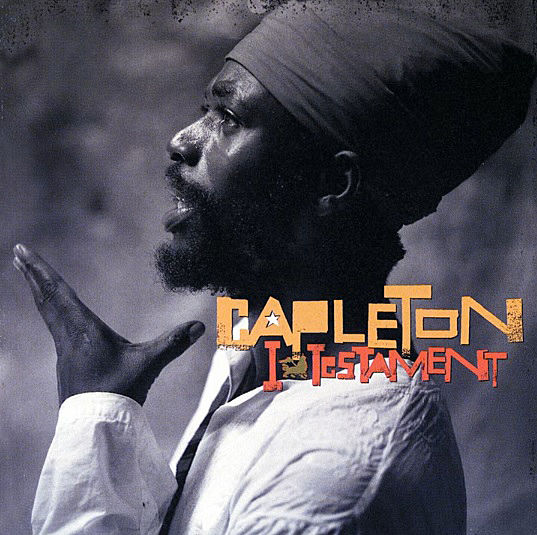
While stationed in Okinawa, Japan (1997-1999), I bought I-Testament (1997) by Jamaican reggae and dancehall musician Capleton. By no means was it the first or last album I’d buy associated with the Rastafari artist who’s been criticized for his views on same-sex relationships.
I-Testament contained the track “Original Man” that featured vocals by lyricist Q-Tip. As well, the song featured samples of The Mohawks’ “The Champ” (1968), Grandmaster Flash and the Furious Five’s “Flash It to the Beat” (1982), and A Tribe Called Quest’s “Can I Kick It?” (1990).
As “Original Man” is largely comprised of Jamaican Patois, I won’t include many of its lyrics within this post. This is with exception to one line of the chorus in which Capleton disrupted the song’s flow by stating, “Again, again, again, again, again!”
I recall one moment when I was in my barracks room aboard Camp Kinser, as I listened to “Original Man” while ironing my uniform. As one does when alone, I sang aloud while applying spray starch to my Marine Corps Combat Utility Uniform.
Nodding my head and singing, as I applied a generous amount of starch to my uniform, I sang, “Again, again, again, again, again!” It’s anyone’s guess as to why that instant is embedded in my memory. Stranger things have been known to occur.
In any event, reflecting upon that moment from the late ‘90s, I now think of a psychoeducational lesson on Rational Emotive Behavior Therapy (REBT). If you’d like, I encourage you to click on the links provided herein and then return to this blogpost again, again, again, again, again!
REBT uses the ABC model to illustrate that when an undesirable Action occurs and you Believe an unhelpful narrative about the event, it’s your unfavorable assumption, not the occurrence itself, that causes an unpleasant Consequence. This is known as distress or disturbance.
Noteworthy, with virtually any undesirable Action that occurs, it’s your unfavorable Beliefs which cause unpleasant distress or disturbance (Consequence). Given this framing of self-distress and self-disturbance, it’s worth noting that one REBT source states (page 71):
REBT conceptualizes [distress] as healthy even though it is intense. Other approaches to therapy have as their goal the reduction of the intensity of negative emotions. They take this position because they do not keenly differentiate between healthy negative emotions (distress) and unhealthy negative emotions (disturbance).
Now, REBT keenly distinguishes between healthy distress and unhealthy disturbance. Healthy distress stems from your rational beliefs about a negative activating event [Action], whilst disturbance stems from your irrational beliefs about the same event.
Complete elimination of distress is highly unlikely in an impermanent and uncertain world wherein people conceptually suffer, struggle, and battle with, or merely experience hardship. Still, individuals often make matters worse for themselves by disturbing about such instances.
In particular, there are four predominate irrational beliefs which people often use to distress or disturb themselves: global evaluations, low frustration tolerance, awfulizing, and demandingness. When contemplating these unproductive scripts, think of the acronym GLAD.
Addressing how people upset themselves with unhelpful attitudes, the ABC model incorporates Disputation of unproductive philosophies of life in order to explore Effective new beliefs. Whereas rigid beliefs cause self-disturbance, flexible beliefs result in an un-disturbed condition.
An example of a negative though healthy self-distress narrative is, “I’d prefer for Deric not to subject those of us who read his blog to Rastafari musicians. However, it is his blog and not mine, so I can simply choose not to read the content if I don’t want to learn about Capleton.”
Using that script, you may experience tolerable frustration, annoyance, or disappointment. Who doesn’t endure any or all of these outcomes within any given week? Personally, these are such frequently occurring consequences of my beliefs that they’ve become normal. That’s life!
Alternatively, a negative and unhealthy self-disturbance narrative is, “Deric is useless [G], and I can’t abide him [L], because his taste I music is horrible [A], so he mustn’t be given any attention [D]!” With this script, you’ll likely experience irritability, disgust, or anger.
The beliefs which cause these unpleasant reactions are worthy of disputation. Now, it’s also worth noting a Capleton-influence takeaway in conclusion to this post. If your disturbing beliefs persist, then dispute again, again, again, again, again!
If you’re looking for a provider who tries to work to help understand how thinking impacts physical, mental, emotional, and behavioral elements of your life—helping you to sharpen your critical thinking skills, I invite you to reach out today by using the contact widget on my website.
As the world’s foremost hip hop-influenced REBT psychotherapist, I’m pleased to try to help people with an assortment of issues from anger (hostility, rage, and aggression) to relational issues, adjustment matters, trauma experience, justice involvement, attention-deficit hyperactivity disorder, anxiety and depression, and other mood or personality-related matters.
At Hollings Therapy, LLC, serving all of Texas, I aim to treat clients with dignity and respect while offering a multi-lensed approach to the practice of psychotherapy and life coaching. My mission includes: Prioritizing the cognitive and emotive needs of clients, an overall reduction in client suffering, and supporting sustainable growth for the clients I serve. Rather than simply trying to help you to feel better, I want to try to help you get better!
Deric Hollings, LPC, LCSW
References:
APA Dictionary of Psychology. (2018, April 19). Irritability. American Psychological Association. Retrieved from https://dictionary.apa.org/irritability
Capleton. (2018, August 31). Original Man [Image; video]. YouTube. Retrieved from https://youtu.be/ZGq3rFv43tY?si=9DxdsqZb7uAr6Moc
Dhpidance. (2008, June 17). Mohawks – The Champ [Video]. YouTube. Retrieved from https://youtu.be/tpWIggaXycQ?si=7GUR6CF9DNfGvvBd
Dryden, W. and Neenan, M. (2006). Rational emotive behaviour therapy: 100 key points and techniques. Routledge. Retrieved from https://img1.wsimg.com/blobby/go/4b0e2552-2a18-4998-b44f-3a993148f7ac/downloads/REBT%202.pdf?ver=1627365797554
Hollings, D. (2025, October 19). Adhering to invisible scripts. Hollings Therapy, LLC. Retrieved from https://www.hollingstherapy.com/post/adhering-to-invisible-scripts
Hollings, D. (2024, November 15). Assumptions. Hollings Therapy, LLC. Retrieved from https://www.hollingstherapy.com/post/assumptions
Hollings, D. (2024, August 7). Awfulizing. Hollings Therapy, LLC. Retrieved from https://www.hollingstherapy.com/post/awfulizing
Hollings, D. (2024, October 27). Correlation does not imply causation. Hollings Therapy, LLC. Retrieved from https://www.hollingstherapy.com/post/correlation-does-not-imply-causation
Hollings, D. (2022, October 31). Demandingness. Hollings Therapy, LLC. Retrieved from https://www.hollingstherapy.com/post/demandingness
Hollings, D. (2022, March 15). Disclaimer. Hollings Therapy, LLC. Retrieved from https://www.hollingstherapy.com/post/disclaimer
Hollings, D. (2026, April 17). Disgust. Hollings Therapy, LLC. Retrieved from https://www.hollingstherapy.com/post/disgust
Hollings, D. (2025, March 12). Distress vs. disturbance. Hollings Therapy, LLC. Retrieved from https://www.hollingstherapy.com/post/distress-vs-disturbance
Hollings, D. (2023, September 8). Fair use. Hollings Therapy, LLC. Retrieved from https://www.hollingstherapy.com/post/fair-use
Hollings, D. (2024, May 17). Feeling better vs. getting better. Hollings Therapy, LLC. Retrieved from https://www.hollingstherapy.com/post/feeling-better-vs-getting-better-1
Hollings, D. (2026, February 13). Five, four, three… beliefs. Hollings Therapy, LLC. Retrieved from https://www.hollingstherapy.com/post/five-four-three-beliefs
Hollings, D. (2023, October 12). Get better. Hollings Therapy, LLC. Retrieved from https://www.hollingstherapy.com/post/get-better
Hollings, D. (2023, September 13). Global evaluations. Hollings Therapy, LLC. Retrieved from https://www.hollingstherapy.com/post/global-evaluations
Hollings, D. (2024, April 13). Goals. Hollings Therapy, LLC. Retrieved from https://www.hollingstherapy.com/post/goals
Hollings, D. (n.d.). Hollings Therapy, LLC [Official website]. Hollings Therapy, LLC. Retrieved from https://www.hollingstherapy.com/
Hollings, D. (2024, October 21). Impermanence and uncertainty. Hollings Therapy, LLC. Retrieved from https://www.hollingstherapy.com/post/impermanence-and-uncertainty
Hollings, D. (2024, February 14). Insufferable vs. undesirable. Hollings Therapy, LLC. Retrieved from https://www.hollingstherapy.com/post/insufferable-vs-undesirable
Hollings, D. (2023, September 19). Life coaching. Hollings Therapy, LLC. Retrieved from https://www.hollingstherapy.com/post/life-coaching
Hollings, D. (2022, December 2). Low frustration tolerance. Hollings Therapy, LLC. Retrieved from https://www.hollingstherapy.com/post/low-frustration-tolerance
Hollings, D. (2024, September 27). My attitude. Hollings Therapy, LLC. Retrieved from https://www.hollingstherapy.com/post/my-attitude
Hollings, D. (2025, August 2). My philosophy. Hollings Therapy, LLC. Retrieved from https://www.hollingstherapy.com/post/my-philosophy
Hollings, D. (2026, April 26). Negative, but healthy anger and aggression. Hollings Therapy, LLC. Retrieved from https://www.hollingstherapy.com/post/negative-but-healthy-anger-and-aggression
Hollings, D. (2024, January 9). Normal vs. healthy. Hollings Therapy, LLC. Retrieved from https://www.hollingstherapy.com/post/normal-vs-healthy
Hollings, D. (2026, April 19). Outcome: Victim mentality and playing the victim. Hollings Therapy, LLC. Retrieved from https://www.hollingstherapy.com/post/outcome-victim-mentality-and-playing-the-victim
Hollings, D. (2024, January 1). Psychoeducation. Hollings Therapy, LLC. Retrieved from https://www.hollingstherapy.com/post/psychoeducation
Hollings, D. (2024, May 5). Psychotherapist. Hollings Therapy, LLC. Retrieved from https://www.hollingstherapy.com/post/psychotherapist
Hollings, D. (2022, March 24). Rational emotive behavior therapy (REBT). Hollings Therapy, LLC. Retrieved from https://www.hollingstherapy.com/post/rational-emotive-behavior-therapy-rebt
Hollings, D. (2025, August 13). Rational versus irrational thoughts and beliefs. Hollings Therapy, LLC. Retrieved from https://www.hollingstherapy.com/post/rational-versus-irrational-thoughts-and-beliefs
Hollings, D. (2024, January 1). Rational vs. irrational. Hollings Therapy, LLC. Retrieved from https://www.hollingstherapy.com/post/rational-vs-irrational
Hollings, D. (2024, July 18). REBT flexibility. Hollings Therapy, LLC. Retrieved from https://www.hollingstherapy.com/post/rebt-flexibility
Hollings, D. (2024, January 4). Rigid vs. rigorous. Hollings Therapy, LLC. Retrieved from https://www.hollingstherapy.com/post/rigid-vs-rigorous
Hollings, D. (2022, November 1). Self-disturbance. Hollings Therapy, LLC. Retrieved from https://www.hollingstherapy.com/post/self-disturbance
Hollings, D. (2026, April 21). Self-upset. Hollings Therapy, LLC. Retrieved from https://www.hollingstherapy.com/post/self-upset
Hollings, D. (2024, February 27). Suffering, struggling, and battling vs. experiencing. Hollings Therapy, LLC. Retrieved from https://www.hollingstherapy.com/post/suffering-struggling-and-battling-vs-experiencing
Hollings, D. (2024, November 19). That’s life. Hollings Therapy, LLC. Retrieved from https://www.hollingstherapy.com/post/that-s-life
Hollings, D. (2022, November 2). The critical A. Hollings Therapy, LLC. Retrieved from https://www.hollingstherapy.com/post/the-critical-a
Hollings, D. (2026, February 21). The preferences versus expectations paradigm: Love is not enough, though virtue is. Hollings Therapy, LLC. Retrieved from https://www.hollingstherapy.com/post/the-preferences-versus-expectations-paradigm-love-is-not-enough-though-virtue-is
Hollings, D. (2025, April 15). This cake smells unpleasant. Hollings Therapy, LLC. Retrieved from https://www.hollingstherapy.com/post/this-cake-smells-unpleasant
Hollings, D. (2025, February 28). To try is my goal. Hollings Therapy, LLC. Retrieved from https://www.hollingstherapy.com/post/to-try-is-my-goal
Hollings, D. (2025, April 18). Tolerable FAD. Hollings Therapy, LLC. Retrieved from https://www.hollingstherapy.com/post/tolerable-fad
Hollings, D. (2025, January 9). Traditional ABC model. Hollings Therapy, LLC. Retrieved from https://www.hollingstherapy.com/post/traditional-abc-model
Hollings, D. (2024, March 18). Unhealthy vs. healthy negative emotions. Hollings Therapy, LLC. Retrieved from https://www.hollingstherapy.com/post/unhealthy-vs-healthy-negative-emotions
Hollings, D. (2024, October 26). Unhelpful expectations. Hollings Therapy, LLC. Retrieved from https://www.hollingstherapy.com/post/unhelpful-expectations
Swash, R. (2007, June 14). Beenie Man, Sizzla and Capleton renounce homophobia. The Guardian. Retrieved from https://www.theguardian.com/music/2007/jun/14/news.rosieswash
Tribe Called Quest, A. (2020, May 15). A Tribe Called Quest - Can I Kick It? (Official audio) [Video]. YouTube. Retrieved from https://youtu.be/D-uV8TGjaGU?si=ktMMDVpcTs1N7H7T
Troy J. (2012, April 26). Grandmaster Flash & The Furious 5 - Flash to the Beat (Part 1) full version [Video]. YouTube. Retrieved from https://youtu.be/j0kvmuFawko?si=KvVuP-_eLk1O9J6d
Wikipedia. (n.d.). A Tribe Called Quest. Retrieved from https://en.wikipedia.org/wiki/A_Tribe_Called_Quest
Wikipedia. (n.d.). Alan Hawkshaw. Retrieved from https://en.wikipedia.org/wiki/Alan_Hawkshaw#The_Mohawks
Wikipedia. (n.d.). Camp Kinser. Retrieved from https://en.wikipedia.org/wiki/Camp_Kinser
Wikipedia. (n.d.). Capleton. Retrieved from https://en.wikipedia.org/wiki/Capleton
Wikipedia. (n.d.). Dancehall. Retrieved from https://en.wikipedia.org/wiki/Dancehall
Wikipedia. (n.d.). Grandmaster Flash and the Furious Five. Retrieved from https://en.wikipedia.org/wiki/Grandmaster_Flash_and_the_Furious_Five
Wikipedia. (n.d.). I-Testament. Retrieved from https://en.wikipedia.org/wiki/I-Testament
Wikipedia. (n.d.). Jamaican Patois. Retrieved from https://en.wikipedia.org/wiki/Jamaican_Patois
Wikipedia. (n.d.). Marine Corps Combat Utility Uniform. Retrieved from https://en.wikipedia.org/wiki/Marine_Corps_Combat_Utility_Uniform
Wikipedia. (n.d.). Q-Tip (musician). Retrieved from https://en.wikipedia.org/wiki/Q-Tip_(musician)
Wikipedia. (n.d.). Rastafari. Retrieved from https://en.wikipedia.org/wiki/Rastafari
Wikipedia. (n.d.). Reggae. Retrieved from https://en.wikipedia.org/wiki/Reggae


