Rage, Rage Disorder, and Road Rage: Negative, but Unhealthy Anger and Aggression

A Real-Life Scenario
“Whoa, it’s your stop sign,” I said aloud when having taken my turn to proceed through an all-way stop intersection after having completed my weekly grocery store run this morning. A vehicle to which I signaled with my hand slowed down, rather than stopping, at a stop sign.
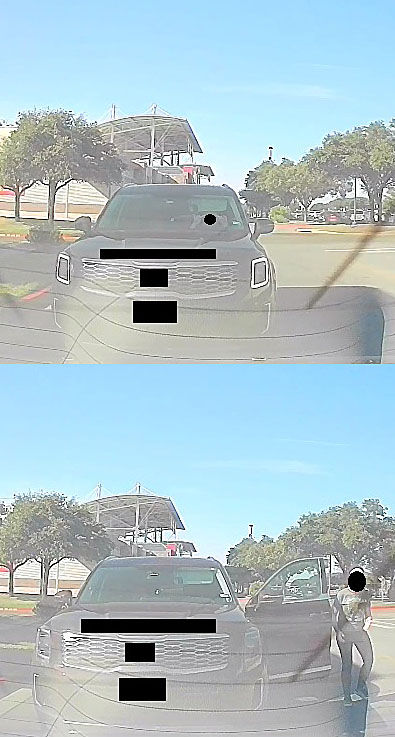
Fortunately, the driver of the vehicle then stopped midway through the intersection, allowing me to proceed with my right-of-way direction of travel. As I stopped at another stop sign that limited traffic flow to a major roadway, I looked in my rearview mirror.
The other motorist was flipping the bird with both hands (using obscene hand gestures, presumably to communicate contempt, roughly equivalent in meaning to “fuck you”, “fuck off”, or “go fuck yourself”). She then proceeded to move her vehicle closer to my rear bumper.
Because there was another motorist in front of my vehicle, as well as concrete curbs on both the left and right sides of my car, I was trapped. I then opened my driver-side door, reasoning that if I needed to fight or flee on foot, it would’ve been better than the alternative option.
During the course of my military police duties, when serving in the United States (U.S.) Marine Corps (1996-2007), I’d witnessed the aftermath of motor vehicle accident (MVA) scenes whereby a motorist from the rear of one vehicle pushed another vehicle into traffic.
This morning, I went to the store for groceries, not to be pushed into harm’s way. Therefore, I reasoned that my options were to: (1) remain in my car and hope that the vehicle in front moved, so that I could flee in my car, or (2) open my door, giving me an option to fight or flee on foot.
Still, once the motorist behind me saw my door open, she flung her door open, leapt from her vehicle, and then yelled, “C’mon, you wanna go!? Just because you’re some white guy—,” at which point I closed my door to healthily avoid unnecessary conflict (i.e., de-escalation).
As I exited the scene without the problem having escalated any further, the other motorist sped around my vehicle. I then positioned my car behind hers, as to allow her options for lane changes without being able to strike the side of my vehicle with the car which she was driving.
As often happens during roadway incidents, the traffic light which we then approached turned red. We were going to be stuck at the same light together! Seeing her vehicle come to a complete stop, I then positioned my vehicle to the right of hers. We both rolled down our windows.
“Look,” I said to the woman, “let’s set aside whatever occurred back there with the stop sign. I make mistakes, and you do, too.” She listened as I spoke. “What I wanted to say was that I’m not white. I’m biracial—my dad is black and my late mom was white. I know I don’t look mixed.”
She looked a bit surprised and embarrassed, as I had rational compassion for the motorist. “When you go around claiming that people behave a certain way, because of their race, your beliefs about them may be wrong. Some of my ancestors were brought here in chains.”
She then stated, “You’re right. You’re right, sir.” The light then turned green, as we carried on our respective ways without incident. I was proud of my reaction, because the manner in which I responded to a near-MVA incident was substantially different from my actions of the past.
Rage, Rage Disorder, and Road Rage
Prior to learning about how to provide professional care for mental, emotional, and behavioral health (collectively “mental health”), it wasn’t uncommon for me to react to similar situations with rage, as the American Psychological Association (APA) thusly defines this term:
[I]ntense, typically uncontrolled anger. It is usually differentiated from hostility in that it is not necessarily accompanied by destructive actions but rather by excessive expressions.
In nonhuman animals, rage appears to be a late stage of aggression when normal deterrents to physical attack, such as submissive signals, are no longer effective. It generally includes rapid respiration; thrusting and jerking of limbs; and clawing, biting, and snarling.
When teaching my approach to care for mental health, I invite people to conceptualize the unhealthy occurrence of rage as an extreme form of what may otherwise be considered the healthy or unhealthy experience of anger. For context, the APA thusly defines anger:
[A]n emotion characterized by tension and hostility arising from frustration, real or imagined injury by another, or perceived injustice. It can manifest itself in behaviors designed to remove the object of the anger (e.g., determined action) or behaviors designed merely to express the emotion (e.g., swearing).
Anger is distinct from, but a significant activator of, aggression, which is behavior intended to harm someone or something. Despite their mutually influential relationship, anger is neither necessary nor sufficient for aggression to occur.
For many reasons which I won’t address in this blogpost, I’m often comfortable when enduring healthy or unhealthy anger, as well as conflict. Similarly, I have a high level of tolerance and acceptance regarding aggression, which the APA thusly defines:
[B]ehavior aimed at harming others physically or psychologically. It can be distinguished from anger in that anger is oriented at overcoming the target but not necessarily through harm or destruction [i.e., healthy or unhealthy, depending on context]. When such behavior is purposively performed with the primary goal of intentional injury or destruction, it is termed hostile aggression.
Other types of aggression are less deliberately damaging and may be instrumentally motivated (proactive) or affectively motivated (reactive). Instrumental aggression involves an action carried out principally to achieve another goal, such as acquiring a desired resource [e.g., healthy aggression used during a sporting match to achieve a trophy, or unhealthy aggression used during a robbery to acquire money].
Affective aggression involves an emotional response that tends to be targeted toward the perceived source of the distress but may be displaced onto other people or objects if the disturbing agent cannot be attacked (see displaced aggression).
In the classical psychoanalytic theory of Sigmund Freud, the aggressive impulse is innate and derived from the death instinct, but many non-Freudian psychoanalysts and most nonpsychoanalytically oriented psychologists view it as socially learned or as a reaction to frustration (see frustration–aggression hypothesis). See also pathological aggression.
Whereas anger isn’t a necessary component of aggression, it arguably serves as an intrinsic element of rage. When further contemplating this topic, I’m reminded of the album Crunkstar (2022) by rapper Duke Deuce. It contains the song “Rage”, on which the rapper states:
Where I come from, it ain’t no peace
On the real, niggas don’t know me
Think I’m pussy, nigga? Come and show me
You a fuck nigga, don’t approach me
I’ma beat your ass till your nose bleed (What the fuck?)
I said rage, mothafucka (Ayy, ayy)
Mothafucka, mothafucka (Rage)
Similar to Duke Deuce’s admission, anger, aggression, and rage were common for me throughout most of my life. Although I’ve never been diagnosed with, or received treatment or management of symptoms for rage disorder, I very well could’ve been viewed as having it.
For clarity, the APA defines rage disorder as “any disturbance characterized by one or more episodes of extreme anger and aggression, such as any clinical disorder in which episodes of rage are a primary symptom (e.g., intermittent explosive disorder).”
Once I began to better understand mental health concepts, I was then able to strive for healthy anger (e.g., saying, “Whoa, it’s your stop sign”) instead of unhealthy anger, aggression, or rage (e.g., road rage). For context, the APA thusly defines road rage:
[A]ggressive or confrontational behavior while driving, typically triggered by an actual or imagined transgression by another driver. Often associated with traffic congestion, road rage varies in severity and can involve hostile verbal expression, hazardous driving, and interpersonal violence. It is not a recognized mental disorder, however.
In a moment, I’ll address the APA claim of road rage being “triggered by an action or imagined transgression by another driver.” I maintain that this is a mischaracterization of the relationship between an unwelcomed event and resulting road rage.
For now, as I further contemplate this matter, I’m reminded of the album Get Heard or Die Tryin’ (2007) by hip hop group The Lyricists (lyricists Illtone and Rym-Benda, and now DJ Haus Diesel). The anthology contains the song “Road Rage”, featuring rapper Dan Hawley.
Lyrics of the chorus state, “This is Motor City rollin’, can’t you hear the horns blowin’? It’s a warning of somethin’ you[’re] not knowin’! Speed up, slow down, tailgatin’s not allowed.”
For clarity, one source states, “Tailgating is the action of a driver driving behind another vehicle while not leaving sufficient distance to stop without causing a collision if the vehicle in front stops suddenly.” Earlier this morning, the other motorist tailgated me while flipping birds.
Personal Ownership
Now, the APA claims that road rage is “triggered by an action or imagined transgression by another driver.” This could include the other motorist running a stop sign and tailgating me this morning. Yet, given my approach to mental health, I reject the APA’s view of this as a trigger.
When practicing Rational Emotive Behavior Therapy (REBT), I use personal responsibility and accountability (collectively “ownership”). For improved understanding, responsibility is defined as the quality or state of being responsible, such as a moral, legal, or mental accountability.
Here, “responsible” is defined as liable to be called to account as the primary cause, motive, or agent, and being able to answer for one’s conduct and obligations—something, such as the demands of conscience or custom, that obligates one to a course of action.
Also, “accountable” is defined as subject to giving an account—a statement explaining one’s conduct. Accountability is defined as the quality or state of being accountable, especially regarding an obligation or willingness to accept responsibility or to account for one’s actions.
When providing psychoeducational lessons on REBT, a psychotherapeutic modality which arguably requires that one preferably should take personal ownership in order to reduce self-distress or self-disturbance, I lean heavily on both responsibility and accountability.
This is because I maintain that people have personal agency (a person’s ability to control one’s own reactions to activating events which are beyond one’s own dominion, especially when one’s response is limited by someone or something else). This is a matter of self-empowerment.
REBT
REBT uses the ABC model to illustrate that when an undesirable Action occurs and you Believe an unhelpful narrative about the event, it’s your unfavorable assumption, not the occurrence itself, that causes an unpleasant Consequence. This is known as distress or disturbance.
Noteworthy, with virtually any undesirable Action that occurs, it’s your unfavorable Beliefs which cause unpleasant distress or disturbance (Consequence). Given this framing of self-distress and self-disturbance, it’s worth noting that one REBT source states (page 71):
REBT conceptualizes [distress] as healthy even though it is intense. Other approaches to therapy have as their goal the reduction of the intensity of negative emotions. They take this position because they do not keenly differentiate between healthy negative emotions (distress) and unhealthy negative emotions (disturbance).
Now, REBT keenly distinguishes between healthy distress and unhealthy disturbance. Healthy distress stems from your rational beliefs about a negative activating event [Action], whilst disturbance stems from your irrational beliefs about the same event.
Complete elimination of distress is highly unlikely in an impermanent and uncertain world wherein people conceptually suffer, struggle, and battle with, or merely experience hardship. Still, individuals often make matters worse for themselves by disturbing about such instances.
In particular, there are four predominate irrational beliefs which people often use to distress or disturb themselves: global evaluations, low frustration tolerance, awfulizing, and demandingness. When contemplating these unproductive scripts, think of the acronym GLAD.
Worth noting, the two forms of should, must, and ought demands with which people most often distress or disturb are associated with use of absolutistic and conditional beliefs. Generally speaking, these scripts serve as inflexible commands used toward oneself, others, and life.
An absolute must narrative is, “You absolutely must do as I say!” A conditional should narrative is, “Either you should do as I say, or you should be punished!” Noteworthy, in REBT literature, demandingness of this sort is said to function as a primary appraisal mechanism of self-upset.
Global evaluations (i.e., self-downing, other-downing, and life-downing), low frustration tolerance (also known as frustration intolerance), and awfulizing (e.g., terrible, horrible, etc.) function as secondary appraisal mechanisms. Together, GLAD will make you sad or mad, etc.
While still functioning as prescriptive rather than descriptive, flexible use of recommendatory, preferential, ideal, empirical, moral and ethical, and legal ought beliefs won’t inevitably cause disturbance, as they may align with distress. Rigidity versus flexibility makes a difference.
Additionally, from a psychological standpoint, people distress or disturb themselves using a Belief-Consequence (B-C) connection. Of course, this isn’t to suggest that in the context of the naturalistic or physical world there is no Action-Consequence (A-C) connection.
From an A-C view, when a motorist disregards a stop sign and then engages in tailgating (Action), an MVA may occur (Consequence). However, this unwelcomed event doesn’t “trigger” rage, a rage disorder episode, or road rage. Rather, the B-C connection does that.
Earlier, I endured relatively brief and negative, but healthy anger (Consequence) when using rational Beliefs when another motorist disregarded a stop sign, engaged in tailgating, flipped birds, and said, “C’mon, you wanna go!?” while evoking my race during the process (Action).
Due to my diligent practice of REBT, which I teach to others so that they may opt for negative, though healthy self-distress instead of negative, but unhealthy self-disturbance, I didn’t react how I once would’ve. Now, let’s imagine a hypothetical scenario of how things could’ve gone.
Another motorist behaved poorly (Action) and I hypothetically could’ve Believed, “This worthless bitch [G], I can’t stand her [L]! It’s awful that she has the audacity to fuck with me when I just came to get food [A], so I better teach her ass a lesson that she won’t forget [D]!”
With these Beliefs, I would’ve experienced negative, but unhealthy anger and aggression. In the past, this (allegedly) may’ve then triggered unhealthy rage, symptoms of rage disorder, and then a road rage incident (Consequence). However, I take personal ownership for my reactions!
Addressing how people upset themselves with unhelpful attitudes, the ABC model incorporates Disputation of unproductive philosophies of life in order to explore Effective new beliefs. Whereas rigid beliefs cause self-disturbance, flexible beliefs result in an un-disturbed condition.
In addition to the ABC model, REBT uses unconditional acceptance (UA) to relieve self-induced suffering. This is accomplished through use of unconditional self-acceptance (USA), unconditional other-acceptance (UOA), and unconditional life-acceptance (ULA).
With my approach to REBT, I incorporate author Stephen Covey’s concepts regarding the circles of control, influence, and concern, as well as an area of no concern. UA maps onto the circle of control (USA), circle of influence (UOA), and circle of concern and area of no concern (ULA).
The circle of control encompasses only oneself, the circle of influence encapsulates elements which may be subject to one’s sway, the circle of concern engrosses most matters one can imagine, and the area of no concern relates to all content which isn’t yet imagined.
Regarding my circle of control and USA, I actually admitted that I’ve made mistakes before. Concerning my circle of influence and UOA, I attempted to persuade the other motorist not to assume the racial or ethnic composition of other people, as she engaged in racist rhetoric.
Relating to my circle of concern and ULA, I reasoned that life is too short than to repeat the negative and unhealthy behaviors of my past. As for the area of no concern, an imaginary realm in which all motorists are polite to one another, that’s not the dimension in which I life.
Conclusion
I had planned on attending the grocery store this morning, coming home to write a blogpost, and then tend to a client session. However, as life is uncertain, I was unexpectedly faced with a situation during which rage, symptoms of rage disorder, or even road rage could’ve resulted.
Perhaps people from other U.S. states may not comprehend how this could be. After all, one could imagine that Austin, Texas drivers behave similar to drivers from most other states. However, I invite you to consider that I stated in a blogpost entitled Distress vs. Disturbance:
Per one source, Florida is ranked the number one state with the worst drivers in the nation, and Texas follows close behind in second place with a reported 2.5 road rage incidents and 7.2 aggressive driving fatal accidents reported for every 100,000 residents from 2014 to 2023.
A separate source reports that the four most road rage-prone cities in Texas are Houston, Austin, Dallas, and Arlington. Another source adds that within the past decade, the top four states with the most road rage incidents, with guns involved, are Tennessee, California, Florida, and Texas.
Growing up in Bomb City (i.e., Amarillo, Texas) and having driven throughout the state of Texas, I’ve experienced a number of these events in which firearms were brandished. Thus, road rage incidents like these are worth examining in regard to the distinction between distress and disturbance.
Had matters played out differently this morning, a woman could’ve lost her life. Fortunately, using REBT techniques, I transiently experienced negative, though healthy anger (i.e., self-distress) instead of negative, but unhealthy anger and aggression (i.e., self-disturbance).
Importantly, I wasn’t triggered into a reaction when faced with a road rage scenario. There was no A-C connection at play! Rather, I took personal ownership of my B-C connection, so I was proud of my reaction, as my response was substantially different from my actions of the past.
Now, I invite you to consider that there’s such an effect as negative, though healthy anger. If you’re used to enduring negative, but unhealthy anger and aggression – or even rage, rage disorder, or road rage – then you can reach out to me so that you can learn more about REBT.
If you’re looking for a provider who tries to work to help you understand how thinking impacts physical, mental, emotional, and behavioral elements of your life, I invite you to reach out today by using the contact widget on my website.
As the world’s foremost hip hop-influenced REBT psychotherapist, I’m pleased to try to help people with an assortment of issues from anger (hostility, rage, and aggression) to relational issues, adjustment matters, trauma experience, justice involvement, attention-deficit hyperactivity disorder, anxiety and depression, and other mood or personality-related matters.
At Hollings Therapy, LLC, serving all of Texas, I aim to treat clients with dignity and respect while offering a multi-lensed approach to the practice of psychotherapy and life coaching. My mission includes: Prioritizing the cognitive and emotive needs of clients, an overall reduction in client suffering, and supporting sustainable growth for the clients I serve. Rather than simply trying to help you to feel better, I want to try to help you get better!
Deric Hollings, LPC, LCSW
References:
APA Dictionary of Psychology. (2018, April 19). Aggression. American Psychological Association. Retrieved from https://dictionary.apa.org/aggression
APA Dictionary of Psychology. (2018, April 19). Anger. American Psychological Association. Retrieved from https://dictionary.apa.org/anger
APA Dictionary of Psychology. (2018, April 19). Classical psychoanalysis. American Psychological Association. Retrieved from https://dictionary.apa.org/classical-psychoanalysis
APA Dictionary of Psychology. (2018, April 19). Confrontation. American Psychological Association. Retrieved from https://dictionary.apa.org/confrontation
APA Dictionary of Psychology. (2018, April 19). Contempt. American Psychological Association. Retrieved from https://dictionary.apa.org/contempt
APA Dictionary of Psychology. (2018, April 19). Death instinct. American Psychological Association. Retrieved from https://dictionary.apa.org/death-instinct
APA Dictionary of Psychology. (2018, April 19). Displaced aggression. American Psychological Association. Retrieved from https://dictionary.apa.org/displaced-aggression
APA Dictionary of Psychology. (2018, April 19). Expression. American Psychological Association. Retrieved from https://dictionary.apa.org/expression
APA Dictionary of Psychology. (2018, April 19). Frustration–aggression hypothesis. American Psychological Association. Retrieved from https://dictionary.apa.org/frustration-aggression-hypothesis
APA Dictionary of Psychology. (2018, April 19). Hostility. American Psychological Association. Retrieved from https://dictionary.apa.org/hostility
APA Dictionary of Psychology. (2018, April 19). Imagination. American Psychological Association. Retrieved from https://dictionary.apa.org/imagination
APA Dictionary of Psychology. (2023, November 15). Intermittent explosive disorder. American Psychological Association. Retrieved from https://dictionary.apa.org/intermittent-explosive-disorder
APA Dictionary of Psychology. (2018, April 19). Pathological aggression. American Psychological Association. Retrieved from https://dictionary.apa.org/pathological-aggression
APA Dictionary of Psychology. (2018, April 19). Persuasion. American Psychological Association. Retrieved from https://dictionary.apa.org/persuasion
APA Dictionary of Psychology. (2018, April 19). Pride. American Psychological Association. Retrieved from https://dictionary.apa.org/pride
APA Dictionary of Psychology. (2018, April 19). Rage. American Psychological Association. Retrieved from https://dictionary.apa.org/rage
APA Dictionary of Psychology. (2018, April 19). Rage disorder. American Psychological Association. Retrieved from https://dictionary.apa.org/rage-disorder
APA Dictionary of Psychology. (2018, April 19). Road rage. American Psychological Association. Retrieved from https://dictionary.apa.org/road-rage
APA Dictionary of Psychology. (2018, April 19). Tension. American Psychological Association. Retrieved from https://dictionary.apa.org/tension
Apple Music. (n.d.). Crunkstar. Apple Inc. Retrieved from https://music.apple.com/us/album/crunkstar/1629505105
Apple Music. (n.d.). Get Heard or Die Tryin’. Apple Inc. Retrieved from https://music.apple.com/ng/album/get-heard-or-die-tryin/261028096
Apple Music. (n.d.). The Lyricists. Apple Inc. Retrieved from https://music.apple.com/ng/artist/the-lyricists/49556320https://music.apple.com/ng/album/get-heard-or-die-tryin/261028096
David, D. (2014, January). The empirical status of rational emotive behavior therapy (REBT) theory & practice. Albert Ellis Institute. Retrieved from https://citeseerx.ist.psu.edu/document?repid=rep1&type=pdf&doi=26813393d7370232253cf964c38a4a03d98b0b97
Discogs. (n.d.). DJ Haus Diesel. Retrieved from https://www.discogs.com/artist/3296089-DJ-Haus-Diesel?redirected=true
Discogs. (n.d.). Illtone. Retrieved from https://www.discogs.com/artist/1377718-Illtone?redirected=true
Discogs. (n.d.). Rym-Benda. Retrieved from https://www.discogs.com/artist/1928583-Rym-Benda?redirected=true
Dryden, W. and Neenan, M. (2006). Rational emotive behaviour therapy: 100 key points and techniques. Routledge. Retrieved from https://img1.wsimg.com/blobby/go/4b0e2552-2a18-4998-b44f-3a993148f7ac/downloads/REBT%202.pdf?ver=1627365797554
Duke Deuce. (2022, June 17). Duke Deuce “Rage” (Official album visualizer) [Video]. YouTube. Retrieved from https://youtu.be/SNFTH7xpqss?si=w9UMJGXlIKwZ28eG
FWTX.com. (2025, March 4). Texas road rage: The fast, the furious, and the completely unnecessary. Retrieved from https://fwtx.com/news/texas-road-rage-the-fast-the-furious-and-the-completely-unne/
Heckler, A. (2025, March 11). Texas drivers are the 2nd worst in the nation for road rage, study finds. MSN. Retrieved from https://www.msn.com/en-us/news/us/texas-drivers-are-the-2nd-worst-in-the-nation-for-road-rage-study-finds/ar-AA1ADxGK?apiversion=v2&noservercache=1&domshim=1&renderwebcomponents=1&wcseo=1&batchservertelemetry=1&noservertelemetry=1
Hollings, D. (2025, March 2). A demanded thing is a necessary one. Hollings Therapy, LLC. Retrieved from https://www.hollingstherapy.com/post/a-demanded-thing-is-a-necessary-one
Hollings, D. (2025, December 1). A diagnosis is a form of hypothesis. Hollings Therapy, LLC. Retrieved from https://www.hollingstherapy.com/post/a-diagnosis-is-a-form-of-hypothesis
Hollings, D. (2026, June 16). A fountain of goodness: Subjective and objective views. Hollings Therapy, LLC. Retrieved from https://www.hollingstherapy.com/post/a-fountain-of-goodness-subjective-and-objective-views
Hollings, D. (2024, July 9). Absolutistic should beliefs. Hollings Therapy, LLC. Retrieved from https://www.hollingstherapy.com/post/absolutistic-should-beliefs
Hollings, D. (2023, March 7). Accepting what is. Hollings Therapy, LLC. Retrieved from https://www.hollingstherapy.com/post/accepting-what-is
Hollings, D. (2026, February 8). Adaptive and maladaptive emotions and behavior. Hollings Therapy, LLC. Retrieved from https://www.hollingstherapy.com/post/adaptive-and-maladaptive-emotions-and-behavior
Hollings, D. (2025, October 19). Adhering to invisible scripts. Hollings Therapy, LLC. Retrieved from https://www.hollingstherapy.com/post/adhering-to-invisible-scripts
Hollings, D. (2025, September 13). Are your actions ruled by reason? Hollings Therapy, LLC. Retrieved from https://www.hollingstherapy.com/post/are-your-actions-ruled-by-reason
Hollings, D. (2024, November 15). Assumptions. Hollings Therapy, LLC. Retrieved from https://www.hollingstherapy.com/post/assumptions
Hollings, D. (2024, August 7). Awfulizing. Hollings Therapy, LLC. Retrieved from https://www.hollingstherapy.com/post/awfulizing
Hollings, D. (2025, November 17). Bloodbending: A moral and ethical dilemma regarding control. Hollings Therapy, LLC. Retrieved from https://www.hollingstherapy.com/post/bloodbending-a-moral-and-ethical-dilemma-regarding-control
Hollings, D. (2025, October 23). Bringing together sound teaching with sound conduct. Hollings Therapy, LLC. Retrieved from https://www.hollingstherapy.com/post/bringing-together-sound-teaching-with-sound-conduct
Hollings, D. (2022, May 17). Circle of concern. Hollings Therapy, LLC. Retrieved from https://www.hollingstherapy.com/post/circle-of-concern
Hollings, D. (2026, July 29). Comprehension: Do you understand the words that are coming out of my mouth. Hollings Therapy, LLC. Retrieved from https://www.hollingstherapy.com/post/comprehension-to-you-understand-the-words-that-are-coming-out-of-my-mouth
Hollings, D. (2024, July 11). Concern and no concern. Hollings Therapy, LLC. Retrieved from https://www.hollingstherapy.com/post/concern-and-no-concern
Hollings, D. (2024, July 9). Conditional should beliefs. Hollings Therapy, LLC. Retrieved from https://www.hollingstherapy.com/post/conditional-should-beliefs
Hollings, D. (2026, February 12). Consciousness: Reach your soul. Hollings Therapy, LLC. Retrieved from https://www.hollingstherapy.com/post/consciousness-reach-your-soul
Hollings, D. (2025, July 14). Consider what you desire. Hollings Therapy, LLC. Retrieved from https://www.hollingstherapy.com/post/consider-what-you-desire
Hollings, D. (2023, April 22). Control. Hollings Therapy, LLC. Retrieved from https://www.hollingstherapy.com/post/control
Hollings, D. (2025, October 3). Control and influence: A soft center and coated in a candy shell. Hollings Therapy, LLC. Retrieved from https://www.hollingstherapy.com/post/control-and-influence-a-soft-center-and-coated-in-a-candy-shell
Hollings, D. (2025, September 6). Control what you can. Hollings Therapy, LLC. Retrieved from https://www.hollingstherapy.com/post/control-what-you-can
Hollings, D. (2024, October 27). Correlation does not imply causation. Hollings Therapy, LLC. Retrieved from https://www.hollingstherapy.com/post/correlation-does-not-imply-causation
Hollings, D. (2022, October 31). Demandingness. Hollings Therapy, LLC. Retrieved from https://www.hollingstherapy.com/post/demandingness
Hollings, D. (2026, May 6). Dependency: To what are you enslaved? Hollings Therapy, LLC. Retrieved from https://www.hollingstherapy.com/post/dependency-to-what-are-you-enslaved
Hollings, D. (2022, October 5). Description vs. prescription. Hollings Therapy, LLC. Retrieved from https://www.hollingstherapy.com/post/description-vs-prescription
Hollings, D. (2022, May 28). Desire and disturbance. Hollings Therapy, LLC. Retrieved from https://www.hollingstherapy.com/post/desire-and-disturbance
Hollings, D. (2022, March 15). Disclaimer. Hollings Therapy, LLC. Retrieved from https://www.hollingstherapy.com/post/disclaimer
Hollings, D. (2025, April 24). Distress tolerance. Hollings Therapy, LLC. Retrieved from https://www.hollingstherapy.com/post/distress-tolerance
Hollings, D. (2025, March 12). Distress vs. disturbance. Hollings Therapy, LLC. Retrieved from https://www.hollingstherapy.com/post/distress-vs-disturbance
Hollings, D. (2025, August 19). Doing right or wrong, as they see it. Hollings Therapy, LLC. Retrieved from https://www.hollingstherapy.com/post/doing-right-or-wrong-as-they-see-it
Hollings, D. (2026, July 3). Empathy vs. rational compassion. Hollings Therapy, LLC. Retrieved from https://www.hollingstherapy.com/post/empathy-vs-rational-compassion
Hollings, D. (2024, July 10). Empirical should beliefs. Hollings Therapy, LLC. Retrieved from https://www.hollingstherapy.com/post/empirical-should-beliefs
Hollings, D. (2024, December 30). Empowerment. Hollings Therapy, LLC. Retrieved from https://www.hollingstherapy.com/post/empowerment
Hollings, D. (2026, July 23). Endurance: Of course. Hollings Therapy, LLC. Retrieved from https://www.hollingstherapy.com/post/endurance-of-course
Hollings, D. (2025, December 5). Evaluations and appraisals: Men are gross, trash, and pigs. Hollings Therapy, LLC. Retrieved from https://www.hollingstherapy.com/post/evaluations-and-appraisals-men-are-gross-trash-and-pigs
Hollings, D. (2026, July 7). Expletives: I just do shit differently than motherfuckers do. Hollings Therapy, LLC. Retrieved from https://www.hollingstherapy.com/post/expletives-i-just-do-shit-differently-than-motherfuckers-do
Hollings, D. (2024, May 17). Feeling better vs. getting better. Hollings Therapy, LLC. Retrieved from https://www.hollingstherapy.com/post/feeling-better-vs-getting-better-1
Hollings, D. (2023, September 5). Fight, flight, freeze, fawn. Hollings Therapy, LLC. Retrieved from https://www.hollingstherapy.com/post/fight-flight-freeze-fawn
Hollings, D. (2026, February 13). Five, four, three… beliefs. Hollings Therapy, LLC. Retrieved from https://www.hollingstherapy.com/post/five-four-three-beliefs
Hollings, D. (2023, October 12). Get better. Hollings Therapy, LLC. Retrieved from https://www.hollingstherapy.com/post/get-better
Hollings, D. (2023, September 13). Global evaluations. Hollings Therapy, LLC. Retrieved from https://www.hollingstherapy.com/post/global-evaluations
Hollings, D. (2024, April 13). Goals. Hollings Therapy, LLC. Retrieved from https://www.hollingstherapy.com/post/goals
Hollings, D. (2024, August 9). Healthy concern. Hollings Therapy, LLC. Retrieved from https://www.hollingstherapy.com/post/healthy-concern
Hollings, D. (2024, March 27). Healthy vs. unhealthy frustration. Hollings Therapy, LLC. Retrieved from https://www.hollingstherapy.com/post/healthy-vs-unhealthy-frustration
Hollings, D. (n.d.). Hollings Therapy, LLC [Official website]. Hollings Therapy, LLC. Retrieved from https://www.hollingstherapy.com/
Hollings, D. (2026, March 16). Hopeful anticipation vs. disturbing expectation. Hollings Therapy, LLC. Retrieved from https://www.hollingstherapy.com/post/hopeful-anticipation-vs-disturbing-expectation
Hollings, D. (2024, July 10). Ideal should beliefs. Hollings Therapy, LLC. Retrieved from https://www.hollingstherapy.com/post/ideal-should-beliefs
Hollings, D. (2026, July 1). If your reaction isn’t disturbed, then why is it disturbed-coded? Hollings Therapy, LLC. Retrieved from https://www.hollingstherapy.com/post/if-your-reactions-isn-t-disturbed-then-why-is-it-disturbed-coded
Hollings, D. (2024, October 21). Impermanence and uncertainty. Hollings Therapy, LLC. Retrieved from https://www.hollingstherapy.com/post/impermanence-and-uncertainty
Hollings, D. (2025, September 21). Impugning motive: Swallowing a toad. Hollings Therapy, LLC. Retrieved from https://www.hollingstherapy.com/post/impugning-motive-swallowing-a-toad
Hollings, D. (2026, April 26). Impulse. Hollings Therapy, LLC. Retrieved from https://www.hollingstherapy.com/post/impulse
Hollings, D. (2024, February 14). Insufferable vs. undesirable. Hollings Therapy, LLC. Retrieved from https://www.hollingstherapy.com/post/insufferable-vs-undesirable
Hollings, D. (2026, June 1). Internal conflict: Reverence and justice. Hollings Therapy, LLC. Retrieved from https://www.hollingstherapy.com/post/internal-conflict-reverence-and-justice
Hollings, D. (2026, March 14). It’s just easy come and easy go: Tolerance and acceptance. Hollings Therapy, LLC. Retrieved from https://www.hollingstherapy.com/post/it-s-just-easy-come-and-easy-go-tolerance-and-acceptance
Hollings, D. (2026, April 10). It’s not supposed to be comfortable! Hollings Therapy, LLC. Retrieved from https://www.hollingstherapy.com/post/it-s-not-supposed-to-be-comfortable
Hollings, D. (2025, October 13). Knowledge, wisdom, understanding. Hollings Therapy, LLC. Retrieved from https://www.hollingstherapy.com/post/knowledge-wisdom-understanding
Hollings, D. (2024, July 10). Legal should beliefs. Hollings Therapy, LLC. Retrieved from https://www.hollingstherapy.com/post/legal-should-beliefs
Hollings, D. (2023, September 19). Life coaching. Hollings Therapy, LLC. Retrieved from https://www.hollingstherapy.com/post/life-coaching
Hollings, D. (2025, January 8). Life-downing. Hollings Therapy, LLC. Retrieved from https://www.hollingstherapy.com/post/life-downing
Hollings, D. (2026, May 17). Listening to reason through argument: Is the rhetoric of whataboutism persuasive? Hollings Therapy, LLC. Retrieved from https://www.hollingstherapy.com/post/listening-to-reason-through-argument-is-the-rhetoric-of-whataboutism-persuasive
Hollings, D. (2023, September 8). Lived experience. Hollings Therapy, LLC. Retrieved from https://www.hollingstherapy.com/post/lived-experience
Hollings, D. (2022, December 2). Low frustration tolerance. Hollings Therapy, LLC. Retrieved from https://www.hollingstherapy.com/post/low-frustration-tolerance
Hollings, D. (2024, April 3). Maybe you’re the racist. Hollings Therapy, LLC. Retrieved from https://www.hollingstherapy.com/post/maybe-you-re-the-racist
Hollings, D. (2024, March 4). Mental, emotional, and behavioral health. Hollings Therapy, LLC. Retrieved from https://www.hollingstherapy.com/post/mental-emotional-and-behavioral-health
Hollings, D. (2025, November 16). Mental health, mental illness, and mental disorder. Hollings Therapy, LLC. Retrieved from https://www.hollingstherapy.com/post/mental-health-mental-illness-and-mental-disorder
Hollings, D. (2025, April 16). Mentally corrupt decisions. Hollings Therapy, LLC. Retrieved from https://www.hollingstherapy.com/post/mentally-corrupt-decisions
Hollings, D. (2024, October 14). Mistakes. Hollings Therapy, LLC. Retrieved from https://www.hollingstherapy.com/post/mistakes
Hollings, D. (2024, July 10). Moral and ethical should beliefs. Hollings Therapy, LLC. Retrieved from https://www.hollingstherapy.com/post/moral-and-ethical-should-beliefs
Hollings, D. (2024, September 27). My attitude. Hollings Therapy, LLC. Retrieved from https://www.hollingstherapy.com/post/my-attitude
Hollings, D. (2025, August 2). My philosophy. Hollings Therapy, LLC. Retrieved from https://www.hollingstherapy.com/post/my-philosophy
Hollings, D. (2026, April 26). Negative, but healthy anger and aggression. Hollings Therapy, LLC. Retrieved from https://www.hollingstherapy.com/post/negative-but-healthy-anger-and-aggression
Hollings, D. (2026, April 4). Objective reality. Hollings Therapy, LLC. Retrieved from https://www.hollingstherapy.com/post/objective-reality
Hollings, D. (2025, January 7). Other-downing. Hollings Therapy, LLC. Retrieved from https://www.hollingstherapy.com/post/other-downing
Hollings, D. (2023, June 28). Peace treaty. Hollings Therapy, LLC. Retrieved from https://www.hollingstherapy.com/post/peace-treaty
Hollings, D. (2025, April 9). Perception, action, and will. Hollings Therapy, LLC. Retrieved from https://www.hollingstherapy.com/post/perception-action-and-will
Hollings, D. (2023, December 25). Perception isn’t reality. Hollings Therapy, LLC. Retrieved from https://www.hollingstherapy.com/post/perception-isn-t-reality
Hollings, D. (2024, February 24). Personal agency. Hollings Therapy, LLC. Retrieved from https://www.hollingstherapy.com/post/personal-agency
Hollings, D. (2022, November 7). Personal ownership. Hollings Therapy, LLC. Retrieved from https://www.hollingstherapy.com/post/personal-ownership
Hollings, D. (2025, September 9). Personal responsibility and accountability. Hollings Therapy, LLC. Retrieved from https://www.hollingstherapy.com/post/personal-responsibility-and-accountability
Hollings, D. (2025, October 27). Physiological and psychological fitness. Hollings Therapy, LLC. Retrieved from https://www.hollingstherapy.com/post/physiological-and-psychological-fitness
Hollings, D. (2026, May 9). Political violence: Freedom’s got a shotgun. Hollings Therapy, LLC. Retrieved from https://www.hollingstherapy.com/post/political-violence-freedom-s-got-a-shotgun
Hollings, D. (2024, July 10). Preferential should beliefs. Hollings Therapy, LLC. Retrieved from https://www.hollingstherapy.com/post/preferential-should-beliefs
Hollings, D. (2025, November 13). Problem solving in regard to anger: How to eat an elephant. Hollings Therapy, LLC. Retrieved from https://www.hollingstherapy.com/post/problem-solving-in-regard-to-anger-how-to-eat-an-elephant
Hollings, D. (2023, November 23). Problems. Hollings Therapy, LLC. Retrieved from https://www.hollingstherapy.com/post/problems
Hollings, D. (2024, January 1). Psychoeducation. Hollings Therapy, LLC. Retrieved from https://www.hollingstherapy.com/post/psychoeducation
Hollings, D. (2023, September 15). Psychotherapeutic modalities. Hollings Therapy, LLC. Retrieved from https://www.hollingstherapy.com/post/psychotherapeutic-modalities
Hollings, D. (2024, May 5). Psychotherapist. Hollings Therapy, LLC. Retrieved from https://www.hollingstherapy.com/post/psychotherapist
Hollings, D. (2022, March 24). Rational emotive behavior therapy (REBT). Hollings Therapy, LLC. Retrieved from https://www.hollingstherapy.com/post/rational-emotive-behavior-therapy-rebt
Hollings, D. (2025, August 13). Rational versus irrational thoughts and beliefs. Hollings Therapy, LLC. Retrieved from https://www.hollingstherapy.com/post/rational-versus-irrational-thoughts-and-beliefs
Hollings, D. (2024, January 1). Rational vs. irrational. Hollings Therapy, LLC. Retrieved from https://www.hollingstherapy.com/post/rational-vs-irrational
Hollings, D. (2024, December 5). Reasoning. Hollings Therapy, LLC. Retrieved from https://www.hollingstherapy.com/post/reasoning
Hollings, D. (2024, March 14). REBT and emotions. Hollings Therapy, LLC. Retrieved from https://www.hollingstherapy.com/post/rebt-and-emotions
Hollings, D. (2024, July 18). REBT flexibility. Hollings Therapy, LLC. Retrieved from https://www.hollingstherapy.com/post/rebt-flexibility
Hollings, D. (2024, July 10). Recommendatory should beliefs. Hollings Therapy, LLC. Retrieved from https://www.hollingstherapy.com/post/recommendatory-should-beliefs
Hollings, D. (2023, February 17). Revisiting the circle of control. Hollings Therapy, LLC. Retrieved from https://www.hollingstherapy.com/post/revisiting-the-circle-of-control
Hollings, D. (2024, January 4). Rigid vs. rigorous. Hollings Therapy, LLC. Retrieved from https://www.hollingstherapy.com/post/rigid-vs-rigorous
Hollings, D. (2023, March 9). Road rage. Hollings Therapy, LLC. Retrieved from https://www.hollingstherapy.com/post/road-rage
Hollings, D. (2026, July 7). Self-distress and distress tolerance. Hollings Therapy, LLC. Retrieved from https://www.hollingstherapy.com/post/self-distress-and-distress-tolerance
Hollings, D. (2022, November 1). Self-disturbance. Hollings Therapy, LLC. Retrieved from https://www.hollingstherapy.com/post/self-disturbance
Hollings, D. (2025, January 6). Self-downing. Hollings Therapy, LLC. Retrieved from https://www.hollingstherapy.com/post/self-downing
Hollings, D. (2026, April 21). Self-upset. Hollings Therapy, LLC. Retrieved from https://www.hollingstherapy.com/post/self-upset
Hollings, D. (2022, October 7). Should, must, and ought. Hollings Therapy, LLC. Retrieved from https://www.hollingstherapy.com/post/should-must-and-ought
Hollings, D. (2024, February 27). Suffering, struggling, and battling vs. experiencing. Hollings Therapy, LLC. Retrieved from https://www.hollingstherapy.com/post/suffering-struggling-and-battling-vs-experiencing
Hollings, D. (2025, October 19). Surprise and embarrassment. Hollings Therapy, LLC. Retrieved from https://www.hollingstherapy.com/post/surprise-and-embarrassment
Hollings, D. (2025, August 6). Take an inventory of your obligations. Hollings Therapy, LLC. Retrieved from https://www.hollingstherapy.com/post/take-an-inventory-of-your-obligations
Hollings, D. (2024, March 7). The 6 P’s. Hollings Therapy, LLC. Retrieved from https://www.hollingstherapy.com/post/the-6-p-s
Hollings, D. (2022, December 23). The A-C connection. Hollings Therapy, LLC. Retrieved from https://www.hollingstherapy.com/post/the-a-c-connection
Hollings, D. (2025, December 21). The awful, very bad, horrible, terrible, no good, unacceptable elements of life. Hollings Therapy, LLC. Retrieved from https://www.hollingstherapy.com/post/the-awful-very-bad-horrible-terrible-no-good-unacceptable-elements-of-life
Hollings, D. (2022, December 25). The B-C connection. Hollings Therapy, LLC. Retrieved from https://www.hollingstherapy.com/post/the-b-c-connection
Hollings, D. (2025, October 22). The construct. Hollings Therapy, LLC. Retrieved from https://www.hollingstherapy.com/post/the-construct
Hollings, D. (2022, November 2). The critical A. Hollings Therapy, LLC. Retrieved from https://www.hollingstherapy.com/post/the-critical-a
Hollings, D. (2025, January 2). The distinction between law and justice. Hollings Therapy, LLC. Retrieved from https://www.hollingstherapy.com/post/the-distinction-between-law-and-justice
Hollings, D. (2026, April 23). The effect of affect. Hollings Therapy, LLC. Retrieved from https://www.hollingstherapy.com/post/the-effect-of-affect
Hollings, D. (2026, February 21). The preferences versus expectations paradigm: Love is not enough, though virtue is. Hollings Therapy, LLC. Retrieved from https://www.hollingstherapy.com/post/the-preferences-versus-expectations-paradigm-love-is-not-enough-though-virtue-is
Hollings, D. (2026, May 15). The speed of thoughts and beliefs: Flipping the bird. Hollings Therapy, LLC. Retrieved from https://www.hollingstherapy.com/post/the-speed-of-thoughts-and-beliefs-flipping-the-bird
Hollings, D. (2025, April 15). This cake smells unpleasant. Hollings Therapy, LLC. Retrieved from https://www.hollingstherapy.com/post/this-cake-smells-unpleasant
Hollings, D. (2023, February 16). Tna. Hollings Therapy, LLC. Retrieved from https://www.hollingstherapy.com/post/__tna
Hollings, D. (2025, February 28). To try is my goal. Hollings Therapy, LLC. Retrieved from https://www.hollingstherapy.com/post/to-try-is-my-goal
Hollings, D. (2024, June 19). Treatment vs. management. Hollings Therapy, LLC. Retrieved from https://www.hollingstherapy.com/post/treatment-vs-management
Hollings, D. (2025, January 9). Traditional ABC model. Hollings Therapy, LLC. Retrieved from https://www.hollingstherapy.com/post/traditional-abc-model
Hollings, D. (2025, September 26). Triggers all around me. Hollings Therapy, LLC. Retrieved from https://www.hollingstherapy.com/post/triggers-all-around-me
Hollings, D. (2026, March 14). Trolley problem: Distress or disturbance. Hollings Therapy, LLC. Retrieved from https://www.hollingstherapy.com/post/trolley-problem-distress-or-disturbance
Hollings, D. (2024, October 20). Unconditional acceptance redux. Hollings Therapy, LLC. Retrieved from https://www.hollingstherapy.com/post/unconditional-acceptance-redux
Hollings, D. (2023, March 11). Unconditional life-acceptance. Hollings Therapy, LLC. Retrieved from https://www.hollingstherapy.com/post/unconditional-life-acceptance
Hollings, D. (2023, February 25). Unconditional other-acceptance. Hollings Therapy, LLC. Retrieved from https://www.hollingstherapy.com/post/unconditional-other-acceptance
Hollings, D. (2023, March 1). Unconditional self-acceptance. Hollings Therapy, LLC. Retrieved from https://www.hollingstherapy.com/post/unconditional-self-acceptance
Hollings, D. (2026, February 17). Unexpected strings: Escapism and avoidance. Hollings Therapy, LLC. Retrieved from https://www.hollingstherapy.com/post/unexpected-strings-escapism-and-avoidance
Hollings, D. (2024, March 18). Unhealthy vs. healthy negative emotions. Hollings Therapy, LLC. Retrieved from https://www.hollingstherapy.com/post/unhealthy-vs-healthy-negative-emotions
Hollings, D. (2024, October 26). Unhelpful expectations. Hollings Therapy, LLC. Retrieved from https://www.hollingstherapy.com/post/unhelpful-expectations
Hollings, D. (2025, September 28). War crimes: A rational course of action. Hollings Therapy, LLC. Retrieved from https://www.hollingstherapy.com/post/war-crimes-a-rational-course-of-action
Hollings, D. (2022, August 8). Was Freud right? Hollings Therapy, LLC. Retrieved from https://www.hollingstherapy.com/post/was-freud-right
Hollings, D. (2026, February 14). You have options. Hollings Therapy, LLC. Retrieved from https://www.hollingstherapy.com/post/you-have-options
Hollings, D. (2026, March 26). You’ll have suffered twice. Hollings Therapy, LLC. Retrieved from https://www.hollingstherapy.com/post/you-ll-have-suffered-twice
Lyricists – Topic, The. (2015, April 22). Road Rage feat. Dan Hawley [Video]. YouTube. Retrieved from https://youtu.be/bqFkZvhO04w?si=t7HuhMAHn6iUYmOd
Nick. (2024, June 7). The #1 city for road rage violence is in Texas. News/Talk 95.1 & 790 KFYO, Townsquare Media, Inc. Retrieved from https://kfyo.com/the-1-city-for-road-rage-violence-is-in-texas/
Spotify. (n.d.). Road Rage – Feat. Dan Hawley. Retrieved from https://open.spotify.com/track/3bzQp5gaKuGwiq6is18IkE
Wikipedia. (n.d.). All-way stop. Retrieved from https://en.wikipedia.org/wiki/All-way_stop
Wikipedia. (n.d.). Duke Deuce. Retrieved from https://en.wikipedia.org/wiki/Duke_Deuce
Wikipedia. (n.d.). Harm. Retrieved from https://en.wikipedia.org/wiki/Harm
Wikipedia. (n.d.). Military police. Retrieved from https://en.wikipedia.org/wiki/Military_police
Wikipedia. (n.d.). Motor City (disambiguation). Retrieved from https://en.wikipedia.org/wiki/Motor_City_(disambiguation)
Wikipedia. (n.d.). Multiracial people. Retrieved from https://en.wikipedia.org/wiki/Multiracial_people
Wikipedia. (n.d.). Right of way. Retrieved from https://en.wikipedia.org/wiki/Right_of_way
Wikipedia. (n.d.). Robbery. Retrieved from https://en.wikipedia.org/wiki/Robbery
Wikipedia. (n.d.). Stephen Covey. Retrieved from https://en.wikipedia.org/wiki/Stephen_Covey
Wikipedia. (n.d.). Stop sign. Retrieved from https://en.wikipedia.org/wiki/Stop_sign
Wikipedia. (n.d.). Tailgating. Retrieved from https://en.wikipedia.org/wiki/Tailgating
Wikipedia. (n.d.). United States Marine Corps. Retrieved from https://en.wikipedia.org/wiki/United_States_Marine_Corps


